Moving From British Columbia to Alberta: 9 Things to Know About Your New Province
Posted by Justin Havre Real Estate Team on Monday, January 26th, 2026 at 9:09am.
If you're considering moving from British Columbia to Alberta, there are several factors to consider before making the transition. Whether you prioritize the cost of living, overall culture, the state of the economy, or finding fun things to do, gathering the facts about moving to Alberta before you take the leap will make the process easier. Here are a few things to know about moving from British Columbia to Alberta.
Highlights of Moving From BC to Alberta
- Lower Cost of Living: Alberta has lower housing, rent, and gas prices than British Columbia.
- Tax System: Alberta's flat-rate income tax and no provincial sales tax make it financially attractive.
- Housing Prices: Home prices in Alberta are nearly 50% lower than in British Columbia. The average home in Calgary ($615,000) is much more affordable than in Vancouver ($1.2 million).
- Childcare Costs: Alberta offers lower childcare expenses.
- City Options: Calgary, Edmonton, and smaller cities such as Cochrane and Red Deer offer varied lifestyles.
- Job Opportunities: The oil, gas, and construction sectors drive Alberta's economy. While the technology industry isn't as extensive as in Vancouver, Calgary is an emerging hub for tech companies and jobs.
- Sunny with Distinct Seasons: Trade mild, grey, and drizzly winters for snow and sunshine.
- Outdoor Activities: Alberta, near the Rocky Mountains, boasts national parks like Banff, Jasper, and Waterton Lakes.
- Driving & Traffic: The big cities generally have less traffic than in BC, but winter driving is more challenging.
Alberta's Cost of Living: Savings Await
Overall, the cost of living in Alberta is lower than in British Columbia, although prices will vary depending on which area you live in. Living costs in Vancouver are much higher than in Kamloops, and comparing Calgary and Edmonton shows that Edmonton's home prices are significantly lower.
The average home price in Vancouver is around $1.2 million, nearly double Calgary's average price of around $615,000 and two and a half times Edmonton's average of around $455,000. Condos in Calgary average in the mid-$300s, well below than Surrey, BC's average of around $540,000.
Many residents in Alberta live in homes, townhouses, or condominiums with average square footage ranging from 2,000 to 3,500 square feet. Price per square foot is lower than in BC. Additionally, rent is around 30% less in Alberta than in British Columbia, making the province appealing to renters and homeowners alike.
On average, gasoline costs around 24 cents less per litre in Alberta than in British Columbia, helping to reduce residents' transportation costs. Grocery and dining costs are similar between the two locations, but Alberta has no provincial sales tax—just property taxes and federal taxes—so the overall price of goods and services is lower. Healthcare costs and insurance premiums are generally the same.
Monthly transit fares range from $72 to $126 in Alberta, but note that fares for Calgary's public transit differ from Edmonton's. Food costs for a household of four are comparable in Alberta and British Columbia.
As for childcare fees, Alberta has set fees at around $15.03 per day, whereas some BC cities are still operating at market rates. Richmond, for example, is at $46 per day.
Alberta Cities & Towns
When you're considering a move to Alberta, you'll want to explore cities like Calgary and Edmonton, which offer vibrant cultural scenes and diverse job markets. If you're seeking a balance between urban amenities and a quieter lifestyle, you can consider moving to Airdrie or Red Deer. Each location offers unique benefits that cater to different lifestyle preferences, making it important to choose the one that best suits your needs.
Calgary
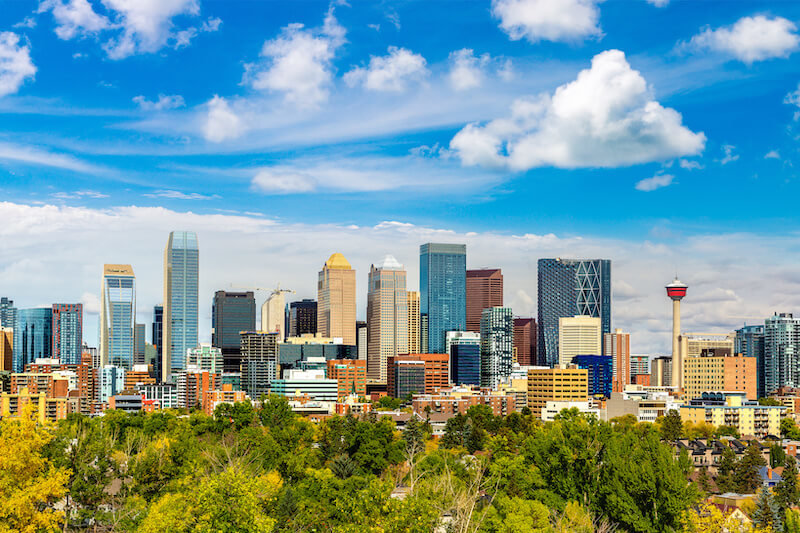
Calgary, Alberta's largest city, is renowned for its vibrant culture and diverse opportunities. If you're considering a move, you'll find the cost of living in Calgary notably lower than in Vancouver. On average, you could save $641 per month on a one-bedroom apartment, contributing to a lower cost of living overall.
Job opportunities abound in Calgary, particularly in the thriving finance, tech, and energy sectors. The industries in Calgary's City Centre and beyond make it an attractive destination for career growth. As you weigh your options, remember that Calgary's vibrant cultural scene, highlighted by events like the Calgary Stampede, offers a unique lifestyle. One of Calgary's top festivals, the Stampede celebrates the city's western heritage and cowboy roots, adding a special charm to life here. Overall, Calgary presents a compelling case for relocation with its affordability, career prospects, and excellent quality of life.
Edmonton
While Calgary offers a dynamic lifestyle and career prospects, Edmonton, Alberta's capital, brings its unique appeal. Living in Alberta's second-largest city means enjoying a vibrant arts and culture scene enriched by the presence of the West Edmonton Mall, one of the largest malls in North America. If you're contemplating a move here, you'll find a diverse economy with job opportunities in government, education, healthcare, and the oil and gas industries.
One of the main advantages of living in Edmonton, located 300 kilometres north of Downtown Calgary, is its lower cost of living compared to other major Canadian cities. Housing prices are generally more affordable, making it an appealing option if you're relocating from British Columbia, where real estate can be particularly costly.
Edmonton also offers many outdoor recreational activities, with over 160 kilometres of multi-use trails. This adds a well-rounded lifestyle aspect to your living experience. While the city provides ample job opportunities, it's vital to consider all financial implications, including higher utility costs, to make an informed decision.
Airdrie
Nestled just 35 kilometres north of downtown, Airdrie is an increasingly popular choice for those seeking a balanced lifestyle in Alberta. It's even closer to areas like the Coventry Hills neighbourhood in North Calgary, just 20 km away. Calgary International Airport is also just over 20 km from Airdrie, providing easy access to global travel and abundant employment opportunities at the airport.
With a population exceeding 70,000, it remains one of the Canada's fastest-growing communities. One of its most appealing aspects is the low cost of living, especially compared to Calgary. This makes it an attractive option for families looking to make the most of their finances. Detached homes in Airdrie are generally priced from the $500s to just over $1 million, though its luxury homes occasionally top $1.5 million. Airdrie's townhomes are very popular options, with prices ranging from the high $300,000 to the high $600s.
Airdrie boasts a strong community spirit, with a variety of events and activities that foster a welcoming atmosphere. The city is renowned for its schools, ensuring that your children receive quality education in a supportive environment. In terms of lifestyle, Airdrie offers numerous recreational facilities and parks, including Nose Creek Regional Park, providing ample opportunities for outdoor activities. Whether you're into sports, hiking, or simply enjoying nature, you'll have plenty of options to explore.
Red Deer
Red Deer, the third-most populous city in Alberta, is located midway between Calgary and Edmonton. At approximately 150 kilometres, residents can reach either city in under two hours, depending on traffic. If you're moving from British Columbia, you'll find Red Deer offers a charming balance of urban conveniences and natural beauty. The city boasts a vibrant arts scene, hosting events like the Central Music Festival.
Red Deer's economy is a significant draw for newcomers. Industries such as oil and gas, agriculture, healthcare, and manufacturing provide a range of job opportunities. This economic variety can be appealing if you're concerned about job prospects in a new province.
One of Red Deer's stand-out features is its lower cost of living compared to larger cities like Calgary and Edmonton. Housing is more affordable, and while utility costs may be higher than in BC, the overall cost is generally lower.
Alberta's Economy
When you're contemplating relocating to Alberta, it's important to ponder the province's robust job market. With strong sectors such as agriculture, energy, and technology, Alberta offers numerous job opportunities, particularly in cities like Calgary and Edmonton. Whether you're exploring big cities or smaller towns, a wide range of industries are ready to welcome you with competitive wages.
Job Market in Alberta
A wealth of employment opportunities awaits those considering a move to Alberta, where the job market has grown significantly across various industries. Cities like Calgary and Edmonton are bustling hubs for job seekers, offering countless openings and potential for career advancement. Whether you're interested in working for the top technology companies in Calgary or the energy industry in Edmonton, there's something for every job seeker in Alberta.
Not only do major cities present abundant job prospects, but smaller towns and rural areas in Alberta are also experiencing a rise in job availability. This expansion contributes to a robust job market province-wide, providing options acros your preferred settings. Whether you're looking to kickstart a new career or advance in your current field, Alberta's thriving job market can cater to your ambitions.
Major Industries in Alberta
Alberta's economy thrives on four major industries that form its backbone: oil and gas, agriculture, forestry, and tourism. While the economic landscape can vary widely from city to city, the major industries in Calgary, Edmonton, and other large communities are generally similar. The oil and gas sector is particularly significant, with Alberta being Canada's largest crude oil producer. This industry not only fuels the local economy but also offers numerous job opportunities.
Agriculture is another cornerstone, making Alberta a major producer of beef, wheat, and canola. This industry supports a significant portion of the rural population and contributes to the province's export economy. If you're coming from British Columbia, you might find Alberta's vast agricultural lands and focus on farming quite distinct.
Forestry is also key, thanks to Alberta's abundant forest resources. This sector provides construction and manufacturing materials, sustaining local and international markets. Finally, tourism is booming, with attractions like Banff and Jasper National Parks and events such as the Calgary Stampede drawing visitors from around the globe. Understanding these major industries can help you gauge potential career paths and lifestyle changes when moving to Alberta.
Weather: What BC Residents Should Expect
One of the biggest adjustments for those moving from British Columbia to Alberta is the change in climate. While coastal BC is known for its mild temperatures and frequent rainfall, Alberta offers a drier climate with more sunshine and more pronounced seasonal shifts. Understanding these differences can help you prepare for daily life and avoid surprises after the move.
Alberta experiences colder winters than most of British Columbia, particularly compared to the Lower Mainland. Winter temperatures regularly dip below freezing, and snowfall is more common and longer-lasting. That said, cities like Calgary benefit from Chinook winds—warm, dry air currents that can raise temperatures dramatically within hours, often melting snow even in the middle of winter.
Despite colder temperatures, Alberta is one of Canada’s sunniest provinces. Calgary averages more than 300 days of sunshine per year, which is a welcome trade-off for many BC residents accustomed to grey winter skies and steady rain. Summers in Alberta are typically warm and dry, with lower humidity than coastal BC, making outdoor activities comfortable and popular.
Seasonal changes in Alberta tend to be more defined. Spring arrives later than in much of British Columbia, while fall can be short but crisp. Because of winter road conditions, Alberta residents often rely on winter tires and adjust driving habits during colder months, especially in urban centres and on major highways.
While you may miss the mild coastal winters and ocean air of British Columbia, many newcomers find Alberta’s sunshine, clear skies, and four distinct seasons to be a refreshing change. Preparing for colder winters and embracing Alberta’s seasonal rhythm can make the transition far smoother.
Things to Do in Alberta
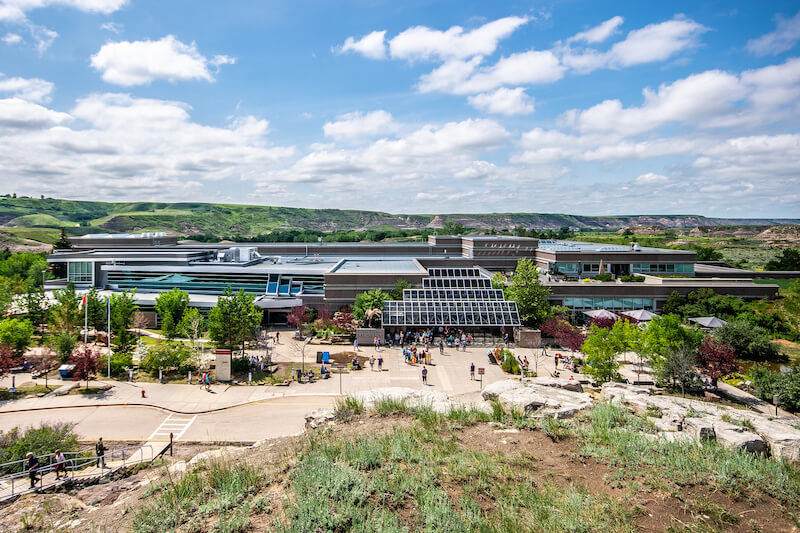
In Alberta, you'll find plenty of outdoor activities to fill your weekends, from hiking in the stunning Canadian Rockies to skiing on world-class slopes. The province has more than natural beauty; it also boasts vibrant arts and cultural scenes in cities like Calgary and Edmonton. Even the Drumheller community, located 150 km northeast of Calgary, draws visitors thanks to the Royal Tyrrell Museum of Paleontology. This massive museum houses the largest fossil collection in all of Canada. Whether exploring rugged landscapes or enjoying local art galleries, Alberta offers a rich tapestry of experiences.
Outdoor Activities: Banff National Park & Beyond
Amid the breathtaking landscapes of Alberta, outdoor enthusiasts will find a paradise for adventure and exploration. Whether you're into hiking or skiing, Alberta's national parks offer endless possibilities. Imagine trekking through Banff National Park, where trails wind through stunning mountain vistas. If skiing is more your style, Jasper National Park offers slopes for all skill levels, ensuring a thrilling experience.
Camping near Calgary and in Alberta's national parks is a must for anyone looking to immerse themselves in nature. Pitch your tent under a canopy of stars and wake up to the serene beauty of the wilderness. Don't forget your fishing gear, as many parks offer tranquil lakes teeming with fish. Wildlife viewing is another highlight, with chances to spot elk, moose, and even grizzlies in their natural habitat.
Beyond the parks, be sure to check out the best day trips from Calgary or Edmonton. Alberta's diverse landscapes, like the dramatic Drumheller Badlands and the breathtaking Icefields Parkway, await exploration. Lake Louise is a gem not to be missed, with its emerald waters providing a stunning backdrop for photos.
Arts & Culture in Alberta
Alberta's dynamic arts and culture scene offers something for everyone. Whether you're wandering through the halls of the Royal Alberta Museum or enjoying a mesmerizing performance at one of Calgary's theatres, there's always something to spark your interest.
The Alberta Ballet is a must-see. Its breathtaking performances showcase the talent and creativity thriving in the province. The Alberta Ballet School is located in Calgary's Beltline neighbourhood.
Musically inclined audiences will appreciate the Edmonton Symphony Orchestra's diverse repertoire, while opera enthusiasts can delight in the Calgary Opera's compelling productions. Another can't-miss musical attraction is Studio Bell, home of the National Music Centre. Located in Calgary's Downtown East Village, this museum, venue, and recording studio is a bucket list destination for music lovers. For an immersive artistic experience, the Banff Centre for Arts and Creativity hosts workshops and events that nurture the creative spirit.
Don't miss the opportunity to delve into Alberta's rich cultural festivals. The Edmonton International Fringe Festival celebrates theatre and performance art, while the iconic Calgary Stampede blends culture and cowboy spirit. If you're keen on exploring Alberta's heritage, Fort Edmonton Park, the largest living history museum in Canada, provides a fascinating glimpse into the province's past. Similarly, Heritage Park Historical Village in Calgary's Eagle Ridge neighbourhood is a living museum that tells the tale of Western Canada.
Exploring the Rockies in Alberta
While both cities offer mountain views, homebuyers comparing Calgary and Vancouver may find themselves weighing the advantages of living near the Rockies against those of the North Shore Mountains. In the end, there's really no substitute for the Canadian Rockies.
The Canadian Rockies in Alberta are a paradise for nature enthusiasts and offer a vast array of outdoor activities. You'll be captivated by the breathtaking beauty of Banff and Jasper National Parks, renowned for their majestic mountain backdrops and serene settings. Whether you're an avid hiker, skier, or camper, these national parks provide endless opportunities to indulge your adventurous spirit.
For those who value proximity to the mountains, the Canmore community, located 100 km west of Calgary, is an excellent option. It's larger than Banff and provides excellent accessibility to both the Rockies and Calgary.
In Alberta, every turn in the Rockies reveals a new vista, each more stunning than the last, ensuring you're never short of awe-inspiring sights.
Getting Around in Alberta
When you're settling into Alberta, understanding your transportation options is essential. Driving through the province is straightforward, thanks to its extensive highway network, though traffic can be an issue in bustling cities like Calgary and Edmonton. The growth of suburbs surrounding Calgary, including Chestermere and Okotoks, and Edmonton suburbs like Spruce Grove, has led to increased traffic in more rural areas. For those who prefer not to drive, Alberta's major cities offer dependable public transit systems, including buses and LRT, to help you get around easily.
Driving & Traffic in Alberta
Getting around Alberta can be a breeze due to its well-maintained highways and roads, making travel around the province straightforward. If you're relocating to Alberta, you'll find that the roads are easy to navigate, with freeway speed limits ranging from 100 km/h to 110 km/h. Alberta drivers experience less traffic congestion than those in bustling metro areas like Vancouver. However, the significant population growth in Alberta has led to more traffic, so driving in Calgary and other metros may not be as quick as it was in decades past.
However, being prepared for Alberta's winter driving conditions is vital. Snow and ice can make roads dangerous, so ensure your vehicle is equipped with winter tires and that you're comfortable with safe winter driving techniques. Alberta drivers often need to adjust their driving habits during the colder months to maintain safety.
Public Transit in Alberta
While driving offers flexibility, especially in Alberta's rural areas, urban dwellers might prefer the convenience of public transit. In cities like Calgary and Edmonton, you'll find efficient and reliable public transportation networks that can make commuting hassle-free. Calgary Transit serves over 500,000 passengers daily, offering buses and the CTrain, which connects various parts of the city. It's not just about getting from point A to point B; it's about doing so with convenience and dependability.
The Edmonton Transit Service (ETS) provides a thorough network of buses and Light Rail Transit (LRT) systems in Edmonton. This network ensures you can reach work, school, or local attractions without traffic congestion. Both Calgary and Edmonton also boast bike-sharing programs, allowing you to combine cycling with public transit for a more sustainable commute. Be sure to check out the plentiful bike paths in Calgary, Edmonton, and other Alberta communities. This integration of services makes it easier to navigate the urban landscape while reducing your carbon footprint.
Prepare for Your Move from British Columbia to Alberta
Overall, moving from British Columbia to Alberta can be an exciting experience with the right preparation and mindset. While you'll have to sacrifice some of the Pacific Ocean coastline that defines British Columbia, you'll more than make up for it with the beautiful lakes, national parks, and Canadian Rockies in Alberta. Whether you're relocating for a new job, a change of scenery, or to be closer to family, consider these important factors about Alberta first.
If you're looking for a home in Alberta, contact Justin Havre with eXp Realty with Calgary Homes at (403) 217-0003 to reach a local Alberta real estate agent and discover your dream home.