
Home Staging for Selling Success: Tips and Tricks for a Picture-Perfect Presentation
Posted by Justin Havre on Thursday, June 29th, 2023 at 9:51am.
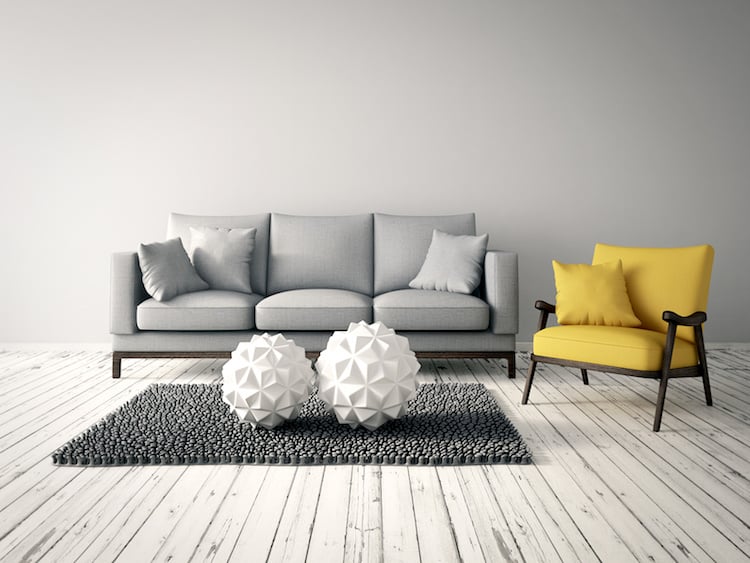 When preparing to sell a home, knowing how to stage your home can help you sell quickly while maximizing profits. Decluttering, cleaning, and even improving curb appeal with landscaping can all fall under the home staging umbrella.
When you stage your home, you can create a lasting impression on buyers and make them feel connected to the property, which can make an offer more likely. By helping potential buyers feel an emotional connection to the home, you increase its perceived value, which can further help to maximize profits. Whether you're selling your first home or you're a home-selling veteran, staging your home can help it sell faster and for more money.
Sell Your Home With the #1 eXp Realty team in Canada.
Anxious about the home-selling process? Take advantage of our expertise and work with the best real estate teams nationally, right here in Calgary!
What Is Home Staging?
Home staging is the process of preparing your home to sell. It typically involves:
- Adding or rearranging furniture and decor
- Decluttering living spaces
- Making minor repairs or improvements so that the house looks its best
Additionally, staging may include painting the walls in neutral colours, adding light fixtures, setting up outdoor spaces like patios or decks, and using plants to make the front of the house look more inviting. It's essential to remember that there is no one size fits all approach for staging your home to sell. Rather, by considering factors like location, target demographic, and price range, you can tailor your home staging for maximal effect.
Why Home Staging is Important
Staging helps increase interest from potential buyers and can help you get a faster sale at a competitive price. Staging accentuates the features of your home and can be done by professional home stagers or by homeowners themselves using furniture, artwork, and decor items strategically placed around the house.
Properly staged homes tend to show better than those without any staging because they encourage viewers to focus on each room's overall look and feel rather than look for flaws. Additionally, adequately staged houses attract more buyers during open houses since they typically appear larger, brighter, cleaner, and well-maintained compared to non-staged homes. Investing time into creating an inviting atmosphere could mean the difference between selling quickly or having your listing sit on the market for months.
Tips for Staging Your Home Like a Pro
Staging your home is critical to your home-selling success. There are many different approaches to take, but by following some basic tips, you can ensure your efforts pay off.
Use Lighting to Your Advantage
Increasing light can make your home feel larger and more inviting. Natural lighting is always the best option, but artificial lighting can help in rooms with fewer windows or skylights. Adding fixtures such as lamps, recessed lights, chandeliers, and wall sconces are great options. If a room has limited overhead lighting options, floor lamps may work well too. Additionally, strategically placed mirrors can brighten the area by reflecting existing light sources throughout the room.
Choose Neutral Colors
A neutral colour palette is highly recommended when staging a house for sale, as this will help create an atmosphere that appeals to any buyer. Neutral paint colours such as beige, taupe, and light grey should be used throughout most of the house, with the possibility of accent walls in other areas to provide visual interest.
Remember that home staging aims to provide potential buyers with a guided view of how they might live in the home. Neutral colours and accents can advise how a space could be used while still providing room for the viewer to imagine themselves in the space.
Furniture being utilized for staging should usually also be in a neutral colour. By creating a calm environment with muted tones and subtle accents, prospective buyers are more likely to feel at ease and imagine themselves living there, making them more likely to make an offer.
Pay Attention To Curb Appeal
Staging a house doesn't just apply to the inside of a home but the outside, as well. Before buyers schedule a formal showing, they often do an informal drive-by to check out the house and get a general feel for the neighborhood. You need to make sure you can get them through the door. If your home's landscaping looks old and tired, then potential buyers may conclude that the interior is just as lackluster. You do not need to hire a professional landscaper or spend a fortune to dress up the exterior. For a minimal investment, here are a few different home staging ideas:
- Update the entry way with a fresh coat of paint on the door, paint the mailbox, and replace the house numbers.
- Power wash problem areas such as concrete and driveways to remove built up grime.
- Add fresh mulch and colorful, seasonal flowers to landscaped areas.
- Trim dead or overgrown bushes and trees.
- Cut the grass on a regular schedule to keep it show ready.
- Remove garbage or get rid of any junk that may be lying around the property.
Make The Space Appear Larger
Several techniques can be used to maximize visual space, such as removing excess furniture, decluttering rooms, or eliminating nonessential items to create an uncluttered look. Surfaces that reflect light also help make a room feel more open. Mirrors, metal furnishings, or glass accessories help brighten up dull or dark areas and make spaces appear larger than they are.
Keeping floors free of clutter allows buyers to better appreciate their size and shape. Area rugs can also help create different living areas within a room, making it feel like there is more space. By utilizing these strategies, it is possible to make any home appear more spacious without necessarily having to remodel or change its existing layout.
Clean Your Home
Once you get a potential buyer through the front door, you want to have your home in showcase condition. Taking these steps before your first showing will make subsequent showings easier and more successful:
- Declutter. To start with, declutter your home by removing as many unnecessary items as possible from your home. Getting ready to move is an excellent opportunity to donate unneeded items to charity and lighten the load for when you do move. For items you simply can't part with but do not need in the immediate future, rent a storage unit or borrow some space in a friend or neighbor's garage. Tackle those forgotten junk drawers and storage closets as well. When a buyer enters your home, they should feel free to explore all areas of the home and see its true potential.
- Organize. Once unnecessary items have been relocated to a new home or storage, take a long hard look at the remaining items in your cabinets, closets, and drawers. How can you make these spaces look organized and sleek?
- Deep-Clean. Once your home is decluttered and beautifully organized, dirt and grime are really on display. It's time to tackle those long-neglected corners, windowsills, and draperies. If you don't have time to clean every flat surface in your home, investing in a one-time professional home cleaning may be well worth the expense.
- Depersonalize. Lastly, remove personal items from your home. Family photos, trophies and personalized decor help a buyer envision how you live in the space. It does not help them envision their own lives in the home, which is your ultimate goal.
Create Well-Defined Spaces
One goal of home staging is to create well-defined spaces for each room. You may use the current dining room as a home office, but this will create confusion amongst potential buyers. Because of this, it's important to stage all parts of the house according to their original purpose: Staging spare bedrooms as children's bedrooms and dining-rooms-turned-offices as dining rooms will help most buyers envision themselves more easily in your space. Reorganize your home so that each space has a single purpose: dining, family, bedroom, etc. For spaces that have multiple purposes for your family, limit the chaos by redefining the space until the home is sold.
Decorate for Success
If your decorating style is a little out of date or too personalized, consider purchasing some inexpensive, neutral art pieces that will liven up a room while making a positive impression on the buyer. Sleek, modern pieces make a big impression without being overpowering. Remove decorative items that seem out of date or too personal. When it comes to decorating choices, keep things fresh and simple.
Remember, this process is called "staging" for a reason. It may seem like a great deal of effort initially, but in the end, your goal is to create a stage in which a potential buyer can imagine their life unfolding.
How Tactical Furniture Placement Can Improve a Home's Staging
Arranging furniture by zones helps establish flow that will make the rooms seem unified but functional. This is especially important in rooms with an open floor plan, as this helps to show the functionality and intended purpose of the room.
Older furniture that is worn or in poor shape can have a negative impact on the visual aesthetics of the room. As can oversized furniture pieces that seem to take up too much room and draw too much attention. Many homeowners will replace these furnishings with pieces that are properly sized and in good condition.
Unfurnished rooms that have uncertain purpose are best furnished with pieces that show their purpose (or at least, a purpose). This turns the room back into useable living space in the mind of the buyer. Extra rooms can be made into guest rooms, home offices or a hobby room. Whatever the purpose, it's important for the buyer to be able to visualize the room as functional and comfortable.
Arranging furniture with symmetry can make a space seem formal, while arranging furniture asymmetrically makes it seem less formal. Homeowners should pick the symmetry of the arrangement based on the intended function of the room.
Furniture can also be placed to establish focal points, which are important for aesthetic purposes. For example, arranging several chairs around the living room's fireplace (its focal point) can help draw attention to it. This gives the homeowner more opportunity to show off the fireplace. After pointing all chairs (and thus all eyes), to the fireplace, the homeowner can then put something decorative over the fireplace, like a large piece of artwork.
Stage to Sell
Home staging is an important part of marketing your home and painting your home in its best light that can help you sell faster and for more money. Homeowners should highlight each room's best features by choosing the right furniture, adding more light, using neutral colours, and eliminating clutter. By using these tips to stage your home like a pro, you can be sure to sell your home quickly and for top dollar.
Sell Your Home
With Confidence.
Sell Your Home With the #1 eXp Realty Team in Canada.

Ready to Sell Your Home?
Let Us Help You With These Great Resources
- How Home Appraisals Work: The Process & Cost of Mortgage Appraisals
- How Much Will It Cost to Sell My Calgary, AB Home?
- Should You Sell Your Home Before Buying a New One? Selling Your Current Home
- 9 Home Selling Mistakes Sellers Make That Could Sink Your Home Sale
- Home Staging for Selling Success: Tips and Tricks for a Picture-Perfect Presentation
- Selling a Home? Beware These Buyer Red Flags When You Sell Your Home
- How to Find a Real Estate Agent to Sell Your House
- Strike While It's Hot: Expert Tips on When to List Your Home for Sale
- How to Sell Your House & Buy a New One at the Same Time
- What Documents Do You Need to Sell a House? Be Prepared, Sell Faster
- Selling a Home Is Stressful: How to Cope With the Chaos & Uncertainty
- Showing Your Home While Still Living in It: Always Show-Ready
