Connect

Find us on...

Dashboard

Login using...

New Search X

Should You Downsize Your Home After Retiring? Pros, Cons & Tips

Posted by Justin Havre Real Estate Team on Tuesday, July 21st, 2026 at 1:36pm.

What To Know About Downsizing Your Home in Retirement

As you approach retirement, the idea of downsizing your home may seem increasingly appealing. You might find that trading your larger property for a more manageable space can free up equity, cut down on your ongoing expenses, and reduce your maintenance to-do list. Indeed, many builders in 55+ communities actively seek to provide downsizing-friendly homes due to their popularity. However, there are some hidden costs and emotional factors that come with such a change. Understanding these potential trade-offs and challenges can help you decide if—and when—it's the right time to downsize during retirement. So, what should you keep in mind?

5 Quick Tips For Downsizing

  • Downsizing can free up home equity, reduce mortgage payments, and increase retirement income for travel and healthcare expenses.
  • Account for hidden costs like agent commissions and land transfer taxes to avoid unexpected financial burdens during your move.
  • Smaller homes may feature lower maintenance and utility costs, providing more leisure time for hobbies and social activities during retirement.
  • Emotional challenges may arise from parting with cherished belongings, so seek support from family or professionals to ease the transition.
  • Create a moving timeline and checklist, research new living arrangements, and consider temporary storage solutions for a smoother downsizing process.

What Is Downsizing?

Downsizing is a term used to describe selling a larger home and moving into a smaller one, often to cut down on living expenses and reduce maintenance tasks. While anyone can downsize for various reasons, many retirees choose this option to free up cash from home equity, which can greatly boost retirement funding or allow for more travel opportunities.

When considering downsizing your home, it's essential to weigh the pros and cons—especially the often overlooked emotional and financial impacts. You'll likely face moving costs and realtor commissions, so it's important to thoroughly research the many expenses commonly associated with selling a home.

Reasons to Downsize After Retirement

Benefits of Downsizing After Retirement

Whether it's improving your financial situation or finding a more fitting place to live, downsizing after retirement can offer several practical benefits. You could use the equity from selling your larger home to pay off your mortgage, reduce living expenses, and lower your maintenance burden.

Additionally, moving to a smaller space may allow you to create a more suitable living environment and even enjoy the flexibility of living in different locations throughout the year.

Use Equity to Pay Off Mortgage

Deciding to downsize your home can bring considerable financial benefits, particularly for retirees looking to alleviate their mortgage. By selling your current home, you can tap into your home equity, which may be substantial after many years. For instance, selling a $500,000 home and purchasing a $350,000 townhome could considerably reduce your monthly mortgage payments.

What's more, downsizing in retirement can lower maintenance costs and utility bills, freeing up cash flow for other essential retirement expenses. This improved financial outlook may allow you to allocate funds for travel, healthcare, or leisure activities, ultimately enriching your quality of life without the stress of ongoing mortgage payments.

Reduce Living Expenses

Many retirees find that reducing living expenses is one of the most compelling reasons to downsize. By downsizing for retirement, you might be able to achieve significant financial savings, especially if the price of your new home compares favourably to your current residence.

A smaller home often means lower utility bills and lower property taxes, both of which can enhance retirement income and provide greater financial flexibility. Downsizing can also allow you to eliminate a conventional mortgage and other debts, easing monthly financial pressures.

Even better, you'll likely encounter lower maintenance costs, freeing up resources for other activities. Relocating to a more desirable area can offer better amenities while potentially reducing your overall living costs, making downsizing a smart choice for your financial future.

Less to Maintain

If you've ever felt overwhelmed by the constant upkeep of a larger home, downsizing can be a revitalizing change during retirement. In addition, many older homeowners find themselves with more bedrooms than they have a use for once their children move out.

Shifting to a smaller property means there's less to maintain, which can greatly reduce your maintenance costs. You'll likely experience lower utility bills as well, with savings that could reach as much as hundreds of dollars per month thanks to reduced energy consumption.

With fewer rooms and outdoor spaces to look after, daily tasks become simpler, contributing to a more relaxed lifestyle befitting retirement. This newfound ease can also give you more time to pursue leisure activities and hobbies. Ultimately, downsizing after retirement should enable you to live in a space that better suits your needs and interests.

You Can Live Somewhere Else Part of the Year

Downsizing your home after retirement opens up exciting opportunities for seasonal living. By selling a larger home, you may be able to gain enough financial flexibility to invest in a smaller home in your desired climate. If you're retiring in Alberta, the thought of having a winter escape can be extremely tempting. This enables you to embrace a snowbird lifestyle, enjoying different locations throughout the year.

A smaller, lower-maintenance home can considerably reduce ongoing housing costs, including property taxes and utilities. With these savings, you can allocate more resources to travel and leisure activities, enhancing your quality of life.

Additionally, moving to areas rich in recreational opportunities allows you to engage in preferred social and cultural activities while away from home. Embracing seasonal living can greatly enrich your retirement experience.

Create an Age-in-Place Living Environment

For retirees thinking of downsizing, one of the best ways to enhance your experience is to find—or create—an age-in-place living environment. If you're downsizing into a suitable space, you have the opportunity to move closer to family and essential amenities that support your lifestyle as you age.

This shift not only reduces maintenance costs but also offers greater freedom and flexibility to engage in health and social activities. That said, it's crucial to prepare yourself emotionally for the move, as it can help ease stress and provide a fresh start for your next chapter in life.

Ultimately, a shift to age-in-place living arrangements—a popular alternative to multigenerational living—can markedly improve your quality of life, allowing you to focus on what truly matters in retirement.

Reasons Not to Downsize After Retirement

Is It a Good Idea to Downsize After Retirement?

When considering whether to downsize after retirement, it's important to recognize that buying a new home might end up costing more than staying in your current one. If you like to entertain, moving to a smaller space can limit the ability to host family and friends. You'll also have to confront the reality of parting with belongings that hold sentimental value.

Buying a New Home May Cost More Than Staying Put

Purchasing and moving into a new home during retirement can lead to some unexpected financial burdens that might outweigh the benefits of downsizing.

When buying a new home, there's a good chance you'll face significant closing costs. These costs include real estate agent commissions that can eat up about 6% of the selling price. Moving costs and renovation expenses for the new home can also quickly add up, especially if you're moving long-distance. There are also recurring expenses like higher property taxes or condo fees. Even when you're selling a large home and buying a smaller one, you might pocket less of the difference than you expect.

Furthermore, the emotional challenges of relocating can create stress and adjustment difficulties, making it essential to make a plan before committing to such a significant change.

Less Space For Visitors & Family

Downsizing to a smaller home can considerably limit your space for visitors and impact your ability to host gatherings. Many retirees find that smaller living spaces reduce their capacity for social interaction, which can hinder their overall enjoyment of retirement.

Average condos and bungalows often lack the common areas necessary for large gatherings, making it difficult to comfortably accommodate extended visits. What's more, emotional attachment to larger homes may also lead to feelings of isolation in a smaller space, especially when moving away from established community networks.

If you value hosting others in your home and maintaining strong social ties, you might reconsider downsizing. Balancing space needs with your lifestyle goals is essential for a fulfilling retirement.

You'll Have to Part With Some Belongings

How can you possibly part with belongings that hold so many cherished memories? Often, downsizing requires homeowners to let go of items that carry emotional attachment, making this process challenging, especially for retirees who have lived in their homes for many years—in many cases, decades.

Decluttering can feel overwhelming, particularly when you associate your larger home with significant life experiences. Many retirees struggle to downsize because of the sentimental value attached to their homes and possessions.

One unexpected cost downsizers face is the need for storage solutions for items they're reluctant to part with. This can greatly complicate the decision to downsize, as holding onto belongings may seem easier than dealing with the emotional and financial challenges of moving.

How to Downsize After Retirement

How to Downsize Your Home

If you've decided that downsizing is right for you, here are some of your next steps.

Start the Downsizing Process Early

Starting the process of downsizing well in advance is key to a smooth transition. One reason why downsizing your home can become so stressful is the need to decide to keep, give away, or sell many of the furnishings and possessions that have been in your home for many years—give yourself plenty of time.

To lessen the sting of parting with these items, consider dividing them up among children, siblings, friends, or other loved ones who you know will give your heirloom pieces a great home. If you have additional household items and furniture that will not be needed in your new home, consider either donating them to a local charity or putting them up for sale locally through online classified ads.

In addition to furnishings and household items, you may also want to include some of your current appliances in the sale of the home and replace them with new ones after you move into your new one. This will allow you to purchase sizes and models that may fit better in your new, smaller space and eliminate the trouble and expense of moving the older models. This is particularly important to save money on shipping costs if you are planning to move hundreds or thousands of miles away from where you live now.

Determine Whether Relocating Will Be Part of the Plan

The next question to consider is whether you will stay in the area where you currently live or relocate to another city or area. Downsizing can be a great opportunity to experience a new climate or move closer to those you'd like to spend more time with. Embracing the potential for new adventures and opportunities is a great way to mitigate much of the stress of downsizing and help you see the process in a positive light.

Some downsizers take this a step further and embrace RV living for the ultimate adventuring lifestyle! It's certainly not for everyone, but it epitomizes the opportunities that come with this new chapter.

What Kind of Housing/Community Will You Prefer?

Once you've decided where you're moving to, you'll be able to start narrowing down what kind of home you want to buy. Do you want to purchase another home in a traditional neighbourhood, or would you prefer to move into a condo? Are you interested in local age-restricted communities, or would you prefer a more varied age range among your neighbours?

To get a feel for the housing options that are available in the area where you have decided to live, ask your real estate professional to arrange for you to view several homes that are currently available, as well as some condos and units in local planned retirement communities. This will help you make a definite decision about the type of home you prefer and help you to more easily move forward through the process of downsizing.

Tax Considerations When Downsizing

In Canada, seniors may have to pay capital gains tax when selling a home, but many do not. The principal residence exemption can eliminate capital gains tax on the sale of a primary home. Capital gains tax mainly comes up when someone owns multiple properties and has moved between them, meaning the principal residence exemption doesn't apply to all the years they've lived in a home.

However, if you're receiving property tax benefits, such as Alberta's Seniors Property Tax Deferral Program, it's important to review how selling and moving may affect your benefits.

What Are the Alternatives to Downsizing?

As housing costs, moving expenses, and emotional stress continue to rise, many retirees are reconsidering whether downsizing is the best financial and lifestyle decision. Instead of selling their homes and relocating, some are exploring alternatives that provide greater stability, flexibility, and long-term savings while allowing them to maintain familiar routines and communities.

Alternative 1 – Age in Place

Should You Downsize or Age in Place?

Many retirees are choosing to stay in their current homes and make targeted upgrades instead of downsizing. If you're downsizing primarily for health reasons, modifications such as grab bars, wider doorways, stair lifts, or accessible bathrooms can improve safety and long-term independence without moving.

Depending on your needs, costs will vary widely. Installing grab bars typically ranges from $150–$800 per bar, for example, while making a house wheelchair-friendly can rapidly climb into the tens of thousands. Major retrofits are expensive, but it may be far less than the transaction costs, taxes, and moving expenses tied to selling and buying a new home.

As healthcare needs change over time, it’s important to plan ahead and put support systems in place before they become urgent. Options may include using telehealth for routine medical appointments, hiring in-home caregivers to assist with daily activities such as bathing, dressing, and medication reminders, or arranging for home health aides and visiting nurses to provide medical care at home. Medication management tools, including smart pill dispensers, can also help simplify daily routines and improve safety. Establishing a care plan early can reduce stress and make future transitions easier.

Alternative 2 – Tap Into Your Home Equity

If you're downsizing primarily for financial reasons, you can access the value in your home without selling. Options like reverse mortgages allow homeowners 55 and older to convert part of their equity into cash while delaying repayment until they move or pass away. Another growing option is home equity sharing, where companies provide upfront funds in exchange for a share of the home’s future appreciation.

These strategies can create retirement income while allowing you to remain in your home and avoid the costs and disruptions of downsizing. However, both options require careful review of long-term financial trade-offs.

Alternative 3 – House Share for Greater Affordability

House sharing and co-living are becoming more attractive for retirees seeking both affordability and companionship. Sharing a home can significantly reduce expenses such as mortgage payments, utilities, groceries, and maintenance while also providing social support and added safety.

Some retirees choose to rent out part of their home, while others live with family, friends, or in communities that combine private living spaces with shared common areas. These arrangements can help retirees remain in familiar neighbourhoods longer, reduce isolation, and improve financial flexibility without requiring a major move.

Downsizing Checklist

  • Identify your goals. Knowing your priorities will guide decisions about your budget, what to keep, and what type of home to choose.
  • Make a budget. Calculate what you'll have left over from your home sale after transaction costs and other expenses. Calculate how much home you can actually afford in your destination market.
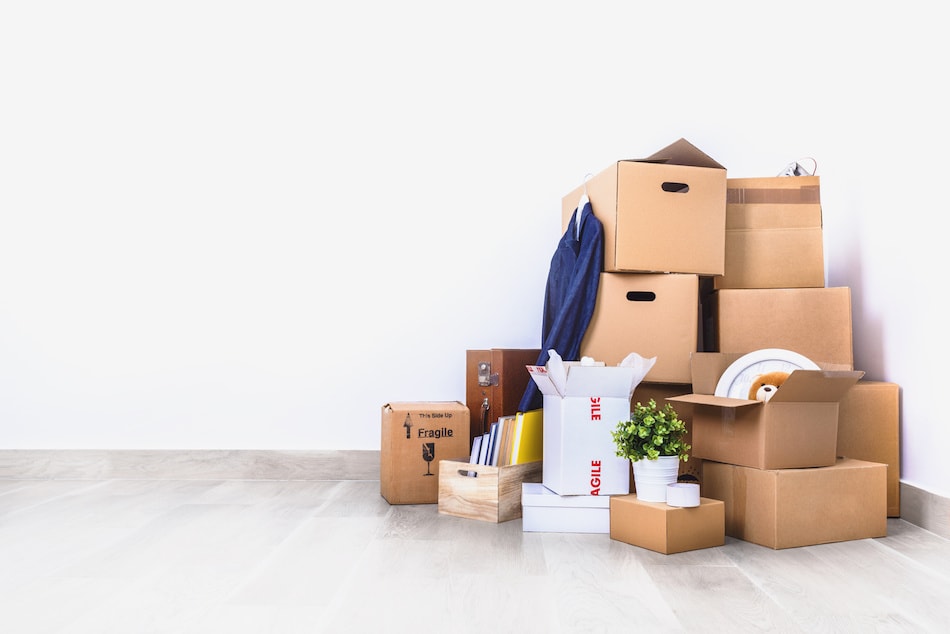
  • Declutter. This step is frequently underestimated. Start months or even a year in advance. There will be a LOT to get through, a lot of hard decisions to make, and a lot of items that deserve some time to reminisce before letting go.
    • Aim for "What am I bringing with me?", not "What can I leave behind?"
    • Have duplicates? Keep only your favourite.
    • When did you ACTUALLY use that last?
    • Do you need the ENTIRE collection?
    • Can you afford to replace it if you find out later you actually wanted it?
    • Get rid of that "if I have space" pile; yes or no only.
    • Sell valuable items. Hold a garage sale for less valuable items. Donate what you can. Then rent a dumpster to discard everything else.
    • Digitizing helps. Photos of sentimental objects can keep memories alive. Documents and records on a hard drive take up way less space than filing cabinets.
  • Measure your new space once you've found a home. Then go through your post-decluttering belongings and make sure they'll fit.
  • Make a moving inventory of what's left.
  • From here, it's basically the same as a normal moving timeline. Pack up the least-used items. If you won't use it before your move-in date, into a box it goes. The heavier the items, the smaller the box they should go in—lifting safety matters.
  • Pack an essentials bag and a "stays with me, not the truck" box (put important documents, irreplaceable delicate items, etc. in there)
  • Pack up everything else in the days leading to moving day.
  • Remember to update your address and notify everyone who needs to know you've moved—utilities, subscriptions, etc.
  • Make plans to stay connected to friends you're leaving behind. It takes conscious effort, but it's worth it.
  • Make an effort to integrate into your new community. Take advantage of being new to introduce yourself. Say yes to social invitations. Join local clubs.
  • It's normal for downsizing to cause stress and upset. Remember to seek out support. Friends, family, even mental health professionals. You don't have to do this alone.

Frequently Asked Questions

At What Age Do Most Seniors Downsize?

Seniors typically downsize in their late 50s or 60s, but there's no "right" age to downsize. If you're considering this move, consider your living situation, maintenance needs, and whether a smaller space would better suit your lifestyle and future plans.

What Do Homeowners Wish They Knew Before Downsizing?

Before downsizing, you'll want to plan for hidden costs, emotional challenges, and potential tax implications. Understanding these factors can help you make thoughtful decisions and avoid surprises that might complicate your shift to a new home.

Should I Sell My House and Rent When I Retire in Canada?

If you're deciding whether to buy or rent your downsized home, there are benefits to both. Renting can lower your expenses, offer flexibility, and free up cash for travel or investments, making your retirement more enjoyable. Alternatively, buying a home and maintaining the home as an investment is appealing to many retirees.

Downsize With a Home That Suits Your Retirement

Downsizing your home in retirement can offer financial benefits and a simpler lifestyle, but it's essential to weigh the pros and cons before making any moves. While accessing equity and reducing household expenses is an appealing prospect, consider the potential costs of moving and the emotional impact of letting go of your belongings. By planning for these challenges, you can find a comfortable new home that aligns with your retirement goals while minimizing stress.

Leave a Comment

CalgaryHomes.ca