
Finished or Unfinished Basement? Pros and Cons for Home Buyers
Posted by Justin Havre on Tuesday, October 29th, 2019 at 9:35am.
 Basements can be very useful spaces. For Southwest Calgary homeowners seeking an extra area in their home where they can store boxes, hide unused holiday decorations or even spend time with family, a basement can be the solution. The functionality of the space and what the space can be used for depends on the type of basement. Generally speaking, basements can be divided into two categories: finished and unfinished.
Before purchasing a home with a basement, it's important to be aware of the differences between a finished and unfinished basement. These spaces can be very different from one another.
Finished Basements Pros and Cons
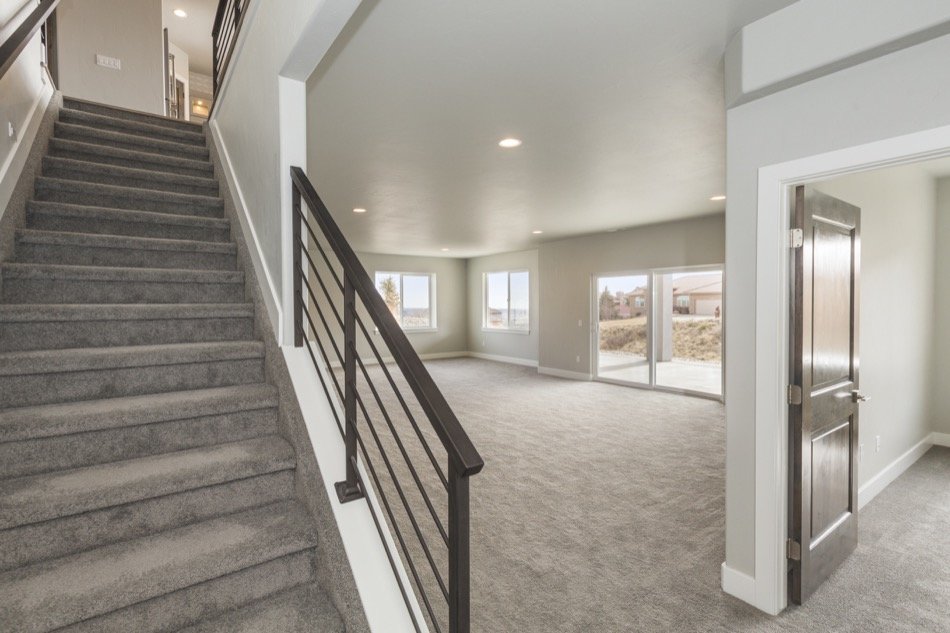
Finished basements are light, bright spaces with finished walls and ceilings. Finished basements often have carpeting, furniture and recessed lighting. Jack Miller, of How I Get Rid Of, suggests that a cozy feel is most appropriate for a basement.
"I always suggest going for a cozy look and feel for a basement for the lounging experience, so I advise against too much brightness. What works best, in my opinion, are recessed lights (a.k.a can lights). They create that ambient feel that will make you feel more relaxed when hanging out. It’s also the more cost-effective option, so that’s a win-win."
Finished basements are often used as living areas, but can sometimes be transformed into a bedroom.
Pros:
- Finished basements are generally comfortable, with their own connection to the home's HVAC system.
- Finished basements add living space to the house.
- These spaces add value to the house, by creating extra living space.
Cons:
- An improperly finished basement could experience moisture issues, which can lead to mold in the walls or floors.
- Homes with finished basements are often more expensive to purchase compared to homes with unfinished basements.
Which Buyers Benefit from a Finished Basement?
Finished basements add living space that can be very useful for large families. Often, parents of older children will turn their finished basement into a family room or den, where children can spend time without making a mess.
Finished basements are also relatively isolated from the rest of the house. People who spend time in a finished basement may often do so without worry that their noise will disrupt the people in the rooms above.
Unfinished Basements Pros and Cons
Unfinished basements can be dark and somewhat dank places. They're utilitarian in nature, providing a lot of storage space for homeowners, but no frills like extra living space. In an unfinished basement, a homeowner might find exposed pipes, very small windows, few light fixtures, cold concrete ground, and wide open spaces. Below are the advantages and disadvantages of unfinished basements.
Pros:
- Unfinished basements usually make fine storage space.
- Unfinished basements are often a good location for laundry facilities.
- An unfinished basement usually needs less cleaning and overall maintenance, as it is not considered "living space."
Cons:
- Unfinished basements may not have been formally waterproofed, which can lead to problems like leaks and mold.
- An unfinished basement is not as valuable as a properly finished basement.
Which Buyers Benefit from an Unfinished Basement?
Buyers seeking homes with an unfinished basement are typically people on a budget. Homeowners who want an affordable home with a utilitarian basement are likely to purchase a home with an unfinished basement.
Work with a Real Estate Professional
If you're a home buyer who would like to purchase a home with a basement, contact a real estate professional in your area. Your real estate agent can help you identify a home with the features you want, including the type of basement that best suits your needs. For more information about how to purchase a home, contact a real estate professional in your area. Your real estate agent can help you decide which home best meets your needs.
