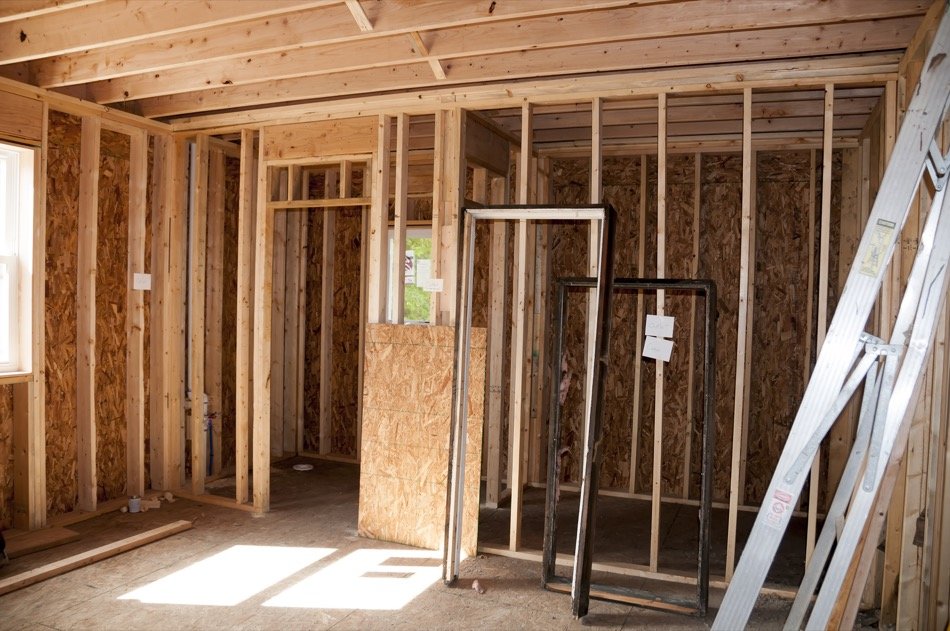
Home Additions: What to Know Before Adding a Room to a House
Posted by Justin Havre Real Estate Team on Wednesday, July 24th, 2024 at 10:57am.
Adding an addition to a house is one of the most complex home renovations you can make. From envisioning the new space to finalizing the details, each step impacts the outcome. The key lies in the intricate dance between budget constraints, design aspirations, and regulatory requirements. Discover the crucial strategies for navigating home addition construction, ensuring a smooth path to your dream space.
For informational purposes only. Always consult with a licensed professional before proceeding with a home addition.
I Want to Put an Addition on My House. Where Do I Start?
When you decide to build an addition to your home, the first thing you should do is ask yourself, “Do I really need an addition?”
Adding an addition is a big, complicated, and expensive project, and not all homes need an addition. Sometimes, if you’re looking for more space, you can solve your problem by simply rearranging your layout. Or, if you have an unfinished basement, attic, or garage, it could be less expensive and less of a hassle to turn those into finished rooms.
Once you’re sure that building a home addition is the right path forward, though, these are the basic steps you’re going to follow:
- Determine what problem you’re trying to solve.
- Plan your budget, considering average costs and financing options.
- Find a reputable general contractor with proper credentials.
- Determine if you need an architect and design your addition.
- Obtain necessary permits and monitor construction progress.
House Addition Planning
When embarking on a home addition project, it is crucial to start by making a detailed plan. Homeowners should consider what they want to achieve with the addition, establish a budget, and ensure compliance with local regulations. These initial steps lay the groundwork for a successful and well-executed home extension.
What Do You Want to Do?
To plan a home addition, start by determining the specific purpose of the addition in relation to your home's needs and potential future value. Clarity on the purpose is essential, whether it's adding more living space, creating a home office, expanding the kitchen, or accommodating a growing family. Consider whether remodelling existing space or moving some walls could fulfill your needs instead of building an addition.
Evaluate how the addition will impact your home's overall value in the current real estate market and ensure it aligns with the architectural style and size norms of your neighbourhood. Planning the addition to meet both current needs and potential future requirements will maximize its long-term value. If your home addition would make your house the biggest, most expensive home on the block—a situation home sellers generally want to avoid—you might consider whether moving to a new house would suit your needs better than a home addition.
It’s also important to realize that some home additions have poor ROI. If you’re considering a home addition, the best reason is that you need more space but want to stay put. If you’re planning a home addition to increase your home value, talk to a real estate agent about less costly alternatives.
Does the Addition Follow Local Regulations?
Local regulations and building codes must be thoroughly reviewed and complied with before initiating any home addition project, just like if you were building a garage. Failure to adhere to these regulations can lead to fines, delays, or even the requirement to remove the addition altogether. It’s essential to understand that local regulations may encompass setback requirements, height limitations, and aesthetic considerations for the home addition—you may not be able to build out or up depending on your property lines and zoning. Seeking approval from local authorities or the community association before construction is vital to prevent any violations.
By following and complying with building codes, homeowners can ensure the safety and structural integrity of their home additions. Taking the time to research and understand the specific regulations in place for the area can save a significant amount of time, money, and stress in the long run.
What's Your Budget?
It’s crucial to develop a detailed budget plan that encompasses materials, labour, permits, and plenty of padding for unforeseen expenses. Your contingency fund should be at least 10%–20%, if not more, as budget overruns are one of the most common renovation complications. Consider every type of expense that would be involved in building a house—adding an addition is basically the same thing.
Because home additions are highly specific to an individual home, consider drawing up an initial design and getting rough estimates from contractors to get a better idea of your budget requirements.
How Much Does a Home Addition Cost?
Factors that affect the cost of a home addition include:
- Size—larger means more materials and labour.
- Location of Addition—second-storey additions are usually less expensive since they don’t require foundation work.
- Location of Home—the going rate for labour and materials will be different depending on what city your home is in.
- Existing Structure—will HVAC ducts, pipes, the driveway, etc. need to be reworked? In older homes, is there asbestos that needs to be worked around?
- Complexity—more complex projects will require a structural engineer and architect.
- Materials—choices for roofing, siding, insulation, plumbing, drywall, flooring, finishes, type of foundation, etc.
- Matching—to make an addition seamless with the rest of the house, you may have to make updates elsewhere, including the exterior.
In addition, you’ll need to consider costs such as:
- Labour costs (general contractor, architect, engineer, plumber, electrician, carpenter, painter, etc.)
- Design fees
- Permit fees
- Upgrading home systems (for example, a larger water heater to accommodate an extra bathroom)
- Site preparation
- Temporarily moving out, depending on the extent of the project
The highly customized nature of building an addition to a house means that no two projects are going to cost the same. Average home addition costs can range from $85 to $400 per square foot depending on the type of project.
| Type of Home Addition | Average Total Cost |
|---|---|
| Second Storey Addition | $200,000–$500,000+ (full second storey) |
| Bedroom Addition | $15,000–$95,000 (spare bedroom vs. master suite) |
| Bathroom Addition | $20,000–$60,000 |
| Sunroom | $30,000–$45,000+ (three-season rooms are cheaper) |
As you can see, building a home addition is no small expense. To fund the addition, it’s advisable to explore various financing options, such as home equity loans or lines of credit.
Can I Build an Addition on My House Myself?
Building a home addition takes a lot of labour, and DIYing is a tried-and-true method of saving money on home renovations. However, while DIYing a home addition is technically possible, it’s highly inadvisable. Consider whether you have the following skills and the specialized equipment needed to perform them:
- Site preparation
- Masonry
- Carpentry
- Welding
- Plumbing
- Electrical
- HVAC work
- House framing
- Wall and roof sheathing
- Installing roofing
- Pouring concrete
- Installing flooring
- Installing drywall
- Installing fixtures
- Installing windows and doors
- Installing insulation
- Painting
- Landscaping
Not even an experienced general contractor will take on a home addition alone; they hire specialized subcontractors and tradespeople. If you’re looking for ways to save money, mixing professional and DIY work by DIYing the final finishes—such as painting and flooring—is a much more feasible task than creating the structure itself.
Common Home Additions
Whether you’re creating a new living area, adding a sunroom for relaxation, or incorporating an accessory dwelling unit for extra rental income, there are several common types of home additions that offer versatility and functionality.
New Living Space
When considering home additions, new living spaces such as bedrooms, bathrooms, kitchens, living rooms, and home offices are common choices. Each of these living space additions comes with its own considerations, costs, and benefits, making it essential for homeowners to carefully plan and budget for their desired home extension to create a comfortable and functional living environment.
A few considerations:
- A bump-out can expand a room by a few feet without requiring a foundation
- If a foundation is required, building on piles is typically cheaper than pouring a slab
- A room that requires plumbing, such as a kitchen, laundry room, or bathroom, will be more expensive than a room that doesn’t
- A home office is more expensive than a bedroom, as it’s typically wired for more electrical outlets
- Adding a second storey may require reinforcement in the existing foundation; consult an engineer
Sunroom
Sunrooms, another popular home addition, are known for providing additional living space filled with natural light. Typically using materials like glass, aluminum, vinyl, and wood, these rooms can be built as three-season rooms or as year-round rooms by incorporating heating and cooling systems. Year-round rooms are more common in colder climates, but also more expensive.
The appeal of sunrooms lies in their ability to bring the outdoors inside while providing shelter from the elements. Not only do sunrooms enhance the overall value of a home, but they also offer a tranquil retreat for relaxation or entertaining guests. With large windows that allow ample sunlight to flood the room, sunrooms create a seamless connection to nature. Whether used as a cozy reading nook or a vibrant indoor garden, sunrooms offer a unique blend of comfort and natural beauty, making them a sought-after addition for homeowners looking to expand their living space.
Accessory Dwelling Unit
Accessory dwelling units, or ADUs, are standalone living spaces often added to properties for rental income or housing family members. These units can increase property value and provide additional living space without the full-scale disruption of a home addition. Common types of ADUs include converted garages, basement apartments, and detached guest houses.
However, it is crucial to note that ADUs are subject to local zoning regulations, which may dictate size, location, and usage restrictions. By adhering to these regulations, homeowners can ensure that their ADU complies with the law while maximizing its benefits. Adding an ADU can be a cost-effective way to create flexible living arrangements on a property, offering versatility and potential financial advantages. Homeowners should carefully research local regulations and consult with professionals to ensure a successful and compliant addition to their property.
Finding a Contractor for a Home Addition Project
Generally, you’ll hire a general contractor (GC), who will have a staff and network of subcontractors. You’ll pay the GC directly in installments, and the GC will distribute pay and supervise the project.
When seeking a trustworthy contractor for a home addition, ask for recommendations from trusted sources such as friends, family, and neighbours. These individuals can provide valuable insights into their experiences with contractors, helping you narrow down your options. If you need additional sources, online reviews can provide insight.
Once you have a list of potential contractors, verify their credentials, licenses, and certifications to ensure they are qualified for the project at hand. Additionally, confirm that the contractor carries proper insurance coverage to protect against any accidents or damages that may occur during the construction process. It is crucial to conduct thorough background checks to guarantee their legitimacy and expertise.
Furthermore, inquire whether the contractor offers warranties or quality assurance measures for their work. Having these assurances can provide peace of mind and ensure that you are satisfied with the project outcome.
Obtaining multiple quotes from different contractors is essential. Comparing pricing, services offered, and estimated timelines can help you make an informed decision. Some contractors will have stock building plans they can work from or an in-house design team; compare their offered services to hiring a separate architect.
Don’t be shy about asking for ways to control costs, and be wary if a GC asks for an excessive down payment. There’s no standard rule for how your payments should be scheduled, but for comparison, some areas have laws preventing contractors from asking for more than a third of the total contract amount upfront. Be sure to have a final payment withheld until you have a satisfactory walkthrough of the final results.
By following these steps and taking the time to find a reliable contractor, you can embark on your home addition project with confidence and trust in the professionals you have chosen.
Ensure You Have All Necessary Permits
To proceed with a home addition project successfully, you must obtain all necessary local building permits to comply with relevant regulations. Securing a building permit is a crucial step to ensure that the addition meets safety standards and local building codes. Usually, your general contractor will take care of acquiring permits, but you should be aware of the costs of the permits you need. Homeowners should be aware that separate permits might be required for plumbing, electrical, and gas fireplace work in home additions.
Before applying for permits, homeowners should verify their property's land use district and setback rules. Compliance with these regulations is necessary for the successful approval of permits for a home addition. Building safety approval through permits is non-negotiable, as it ensures that the new addition aligns with structural integrity and safety standards.
Failure to obtain the necessary permits can result in legal consequences, including fines and delays in the construction process. Engaging with the local building department early on to understand the permit requirements and processes can save time and prevent future complications. By ensuring all necessary permits are in place, homeowners can proceed with their home addition project confidently and legally.
Keep an Eye on Construction
Homeowners should vigilantly oversee the construction progress of their home addition to ensure compliance with building codes and approved plans. It is crucial to monitor the work regularly to catch any deviations early on and address them promptly. Here are some essential points to consider during the construction phase:
- Regular Inspections: Homeowners should conduct regular inspections to verify that the construction aligns with the approved plans and building codes. Checking the progress at key milestones can help identify potential issues before they escalate, ensuring the project stays on track.
- Communication with Contractors: Maintaining open communication with the construction team is vital. Homeowners should discuss any concerns or changes promptly to prevent misunderstandings and ensure that the work progresses smoothly. Clear communication can help address structural integration challenges with the existing building effectively.
- Quality Control: As the construction progresses, homeowners should pay attention to the materials and finishes used. Ensuring that these elements match the existing structure not only maintains a cohesive aesthetic but also reflects the quality of the work. By keeping a close eye on these details, homeowners can achieve a successful and harmonious home addition.
- Construction Delays: Be prepared for various factors, such as inclement weather, material delivery delays, and surprise structural issues, to affect the timeline. Manage your expectations and build buffer periods into the schedule to help reduce stress during the project.
- Stay or Go? The reality of living in a construction zone isn’t pretty. Have a contingency plan in place in case the dust, noise, and disruption become too much and you decide you need to relocate until the project is complete.
Have the Completed Work Inspected
Upon completion of the home addition construction, it’s imperative to have the finished work inspected to ensure compliance and safety. In fact, you may need to have several inspections during the construction phase, such as after the electrical or plumbing is complete but before the walls cover them up.
During the inspection process, homeowners can seek assistance from the Planning Services Centre for guidance and support. This step is essential to guarantee that the completed home addition meets all legal and safety requirements, and having unpermitted work can cause problems when it comes time to sell. By having the finished work inspected, homeowners can address any potential issues promptly and ensure that the addition is structurally sound and compliant with building codes.
For informational purposes only. Always consult with a licensed professional before proceeding with a home addition.
Prepare for Your Home Expansion
Constructing a home addition requires careful planning, finding a trustworthy contractor, obtaining necessary permits, monitoring construction progress, and completing thorough inspections. By following these steps, homeowners can ensure a successful and quality addition to their home that meets safety standards and could even add value to their property. It's important to invest time and effort into the process to achieve the desired results, whether it's a project for hobbies or to prepare for a switch to multigenerational living.